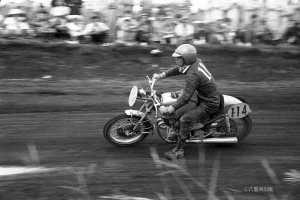
First held in 1978, the Suzuka 8 Hours quickly became one of Japan’s premier motorcycle racing events. At that time, what was then known as Technical Sports — now TSR — focused its efforts on the Suzuka 4-Hour Endurance Motorcycle Race, which began two years later in 1980.
Looking back through records from the time, the 1986 event reportedly attracted “589 entries for only 63 positions on the final race grid” — nearly ten times the number of available starting spots. Quite simply, this was an era when the race regularly received around 600 entries. As a result, qualifying sessions were held the week before the final race (which itself took place on the Saturday before the Suzuka 8 Hours final). Each category — TT-F3, SP400, and SP250 — was divided into multiple groups, making a total of 12 qualifying groups overall. Every group ran a 20-minute official qualifying session, followed by an additional two-hour consolation race (a last-chance qualifying race for eliminated entrants). The schedule was absolutely intense. Even after the weekend ended and Suzuka 8 Hours week officially began, music festivals, classic racing events, and various other attractions were held almost every day. It truly was an “Endurance Week” in every sense of the word.
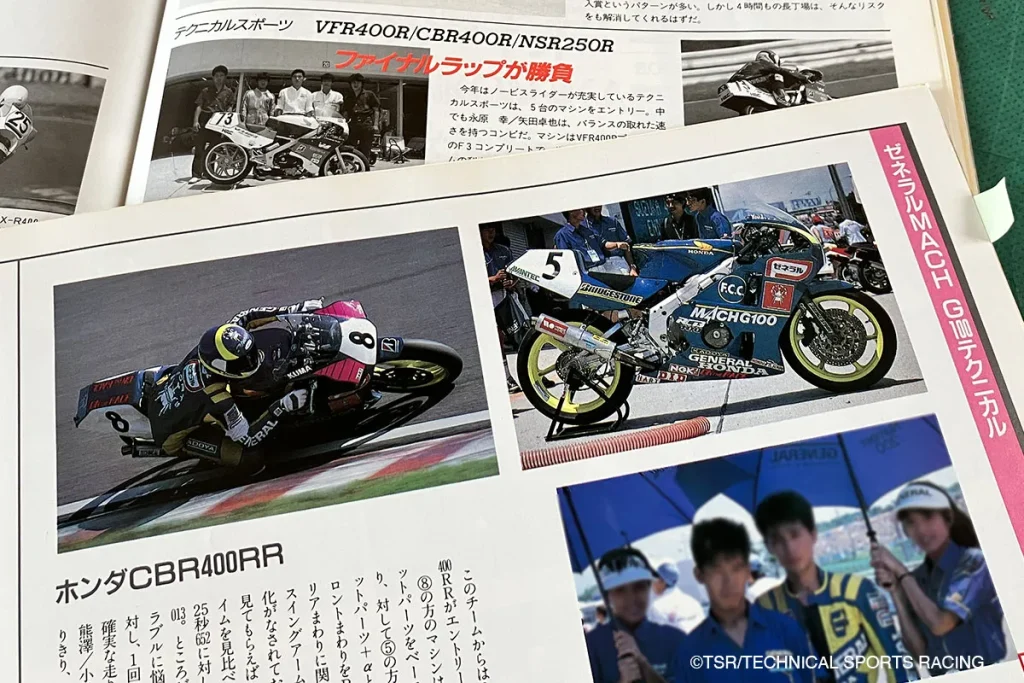
Magazine articles and official programs from the era. At the time, the general feeling surrounding TSR was still very much: “They’re only just getting started.”
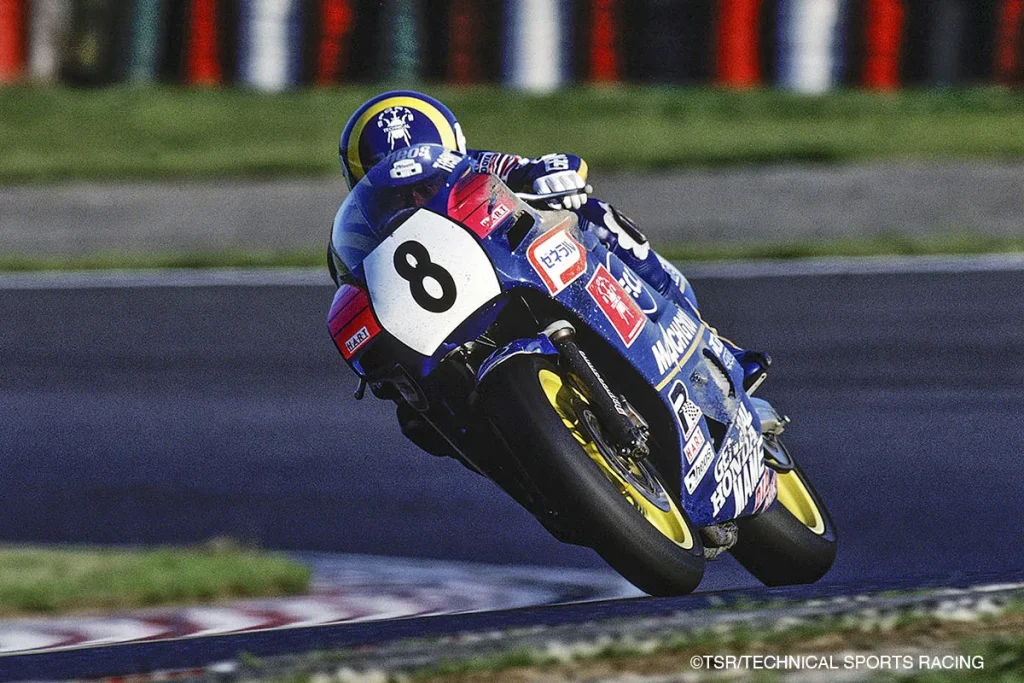
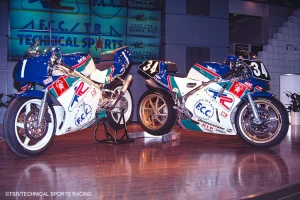
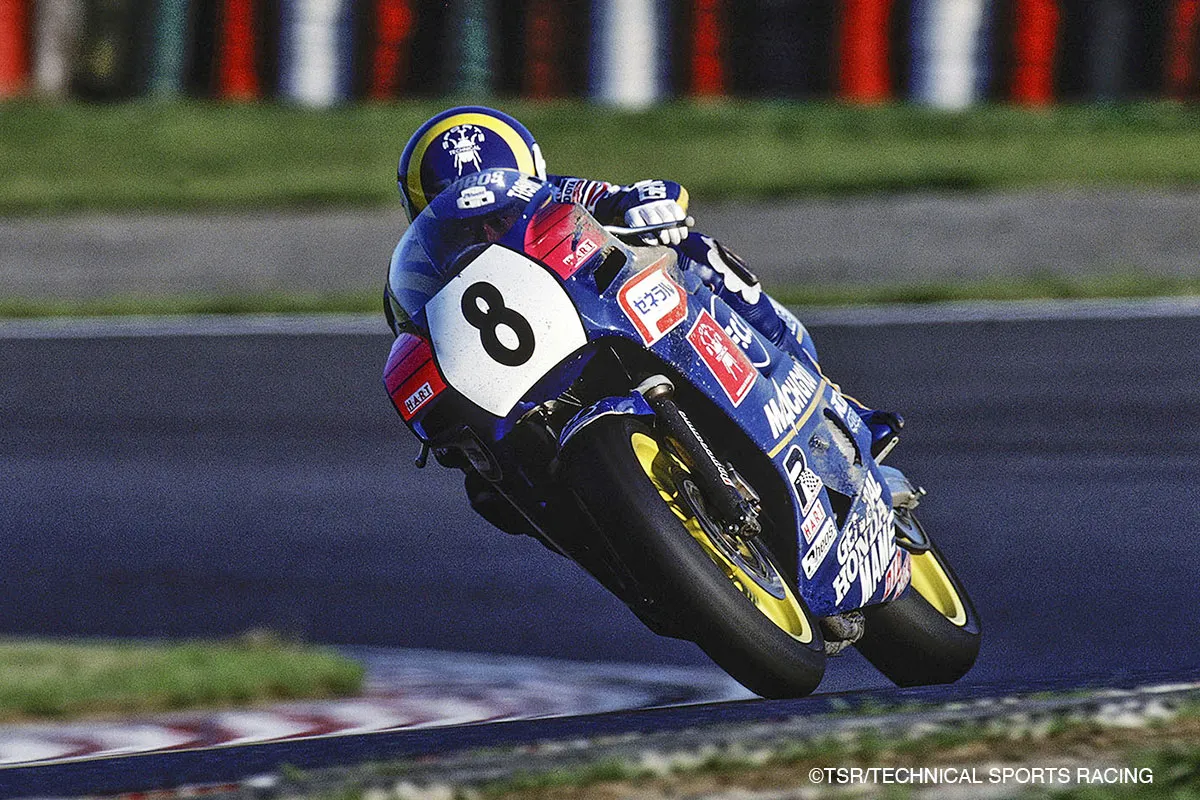
In 1988, the Honda CBR400RR achieved a debut victory.
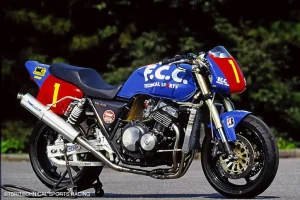
The following year, in 1988, the Honda CBR400RR carrying the “RR” name made its debut — and, in the hands of Technical Sports, immediately achieved a debut victory at the Suzuka 4-Hour Endurance Race. At the time, the official entry name was “General MACH G100 Technical.” The name F.C.C., which would later become one of the longest-running and perhaps most unique partnerships in world motorsports history — continuing for more than 30 years to this day — appeared only as a small logo sticker on part of the machine’s bodywork. From that point onward began TSR’s enduring partnership with FCC Co., Ltd., as well as TSR’s identity as a true “CBR specialist” under the slogan: “CBR is TSR.” In many ways, this was the true beginning of TSR’s endurance racing history.
(To be continued in TSR-CHRONICLE-1988–1992②)
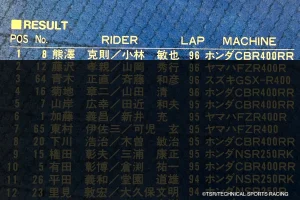
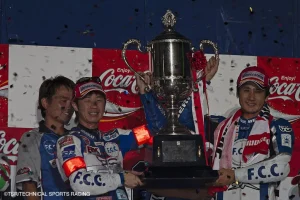
After completing 96 laps, the comment given was simply: “I’m just happy.”