
I asked a certain helmet manufacturer about this, and apparently UV (ultraviolet) protection is now standard on most modern helmet shields (*).
So does that mean a clear shield won’t be glaring? Not at all. That’s because UV protection is not designed to reduce glare.
 Helmet Manufacturer
A quick note:
UV protection is not a legal requirement, so some manufacturers do not apply UV-blocking treatment to their shields.
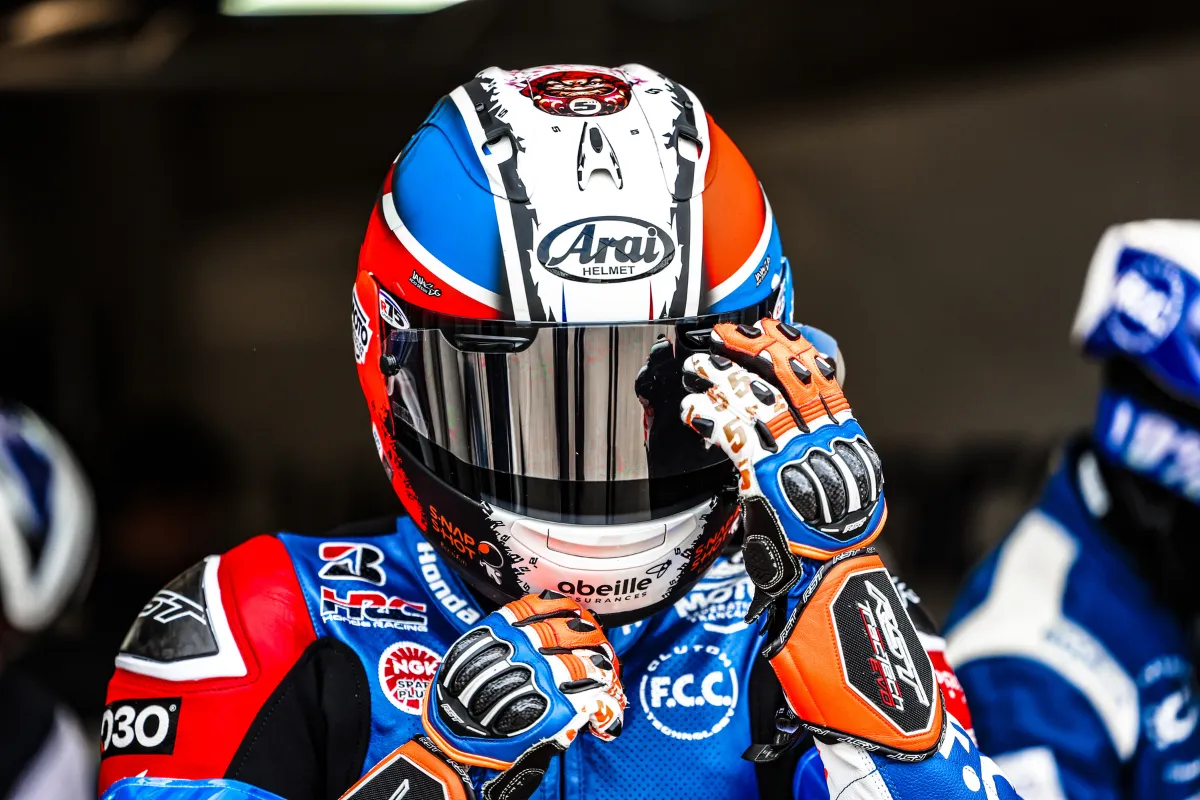
To Reduce Glare, a Tinted Shield Is Still the Best Solution.
The reason I bring this up is that, a while ago, an optician recommended photochromic lenses to me. They automatically darken like sunglasses when exposed to ultraviolet light.
I thought, “Great! This should make driving into the evening sun much easier.” But to my surprise, they barely changed at all. They darkened during the daytime, yet showed almost no reaction to the low evening sun. Why?
As it happened, I later ran into an acquaintance who works for a helmet manufacturer, and he explained the reason to me.
Helmet ManufacturerUltraviolet light is strongest between roughly 10 a.m. and 1 p.m. In the morning and late afternoon, UV levels are lower, but visible light—the primary cause of glare—is much stronger. So no matter how dazzling the sunlight may feel, photochromic lenses will not darken if there is insufficient UV light. On top of that, most car windows already block a significant amount of UV radiation, making it even harder for photochromic lenses to react.
Just Because It’s Tinted Doesn’t Mean It’s Safe!
There are three types of sunlight.
Each one affects us in a different way.
Visible Light: Color (the light we can see)
Infrared Light: Heat (the light that makes us feel warmth)
Ultraviolet Light: Chemical Effects (the light that causes changes to materials and living tissue)
Visible light is what causes glare, but ultraviolet light is the most harmful to your eyes. That’s an important distinction to remember.
Just because the sun feels too bright, using sunglasses or a smoke shield without UV protection can actually be dangerous. The darker lens causes your pupils to dilate, allowing more ultraviolet light to enter the eye than when looking at the same environment with the naked eye.