
The Truth About Titanium, Part 2: “Titanium is light, but actually… aluminum is even lighter.”
Have you ever held a titanium bolt?
The first time I touched one, I honestly thought, “Wait… is this plastic?”
It has a lightness and texture that hardly feels like metal.
You should definitely try holding titanium in your hand at least once.

Titanium is light! But aluminum is even lighter.
Titanium feels surprisingly light for how it looks, but…
actually, aluminum is even lighter than titanium!
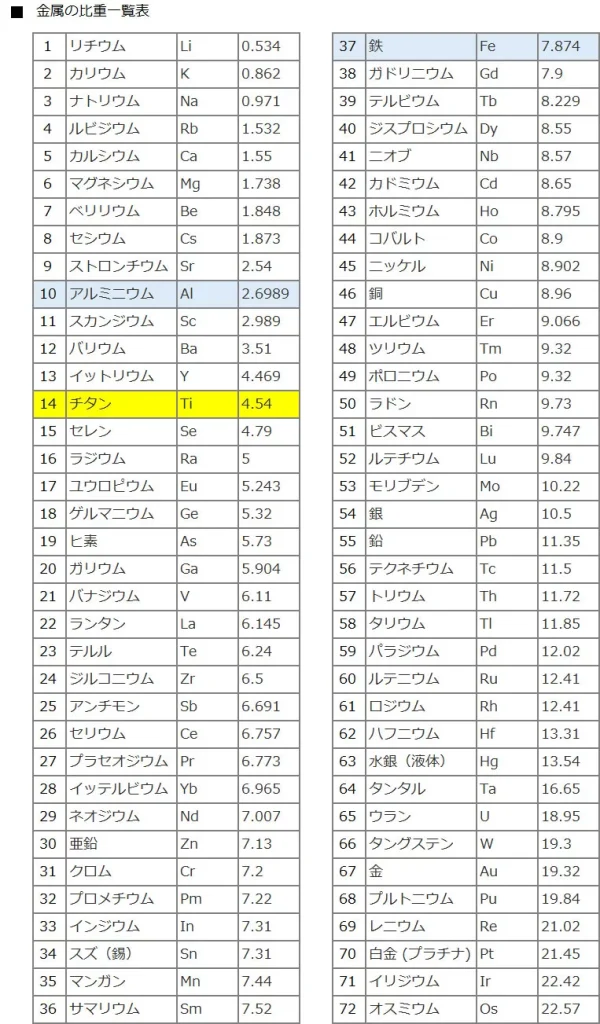
The specific gravity of aluminum, titanium, and steel is:
2.7:4.5:7.9
To put it simply—
if you had the same volume of steel, titanium, and aluminum:
- If steel weighs 100 g:
- Titanium would weigh 57 g
- Aluminum would weigh 34 g
In other words,
titanium weighs 57% as much as steel, while aluminum weighs 34% as much as steel.
Strength difference between aluminum and titanium
If aluminum is lighter, then it might seem better to use aluminum for bolts and nuts as well.
However, it’s not that simple because of strength requirements.
The titanium alloy commonly used for bolts, Ti-6Al-4V, has a strength of about 900–950 MPa.
In comparison, high-strength 7075 aluminum is around 570 MPa.
That means titanium is roughly 1.6 times stronger.
As for 6061 aluminum, which is the most common material used for aluminum bolts, its strength is about 310 MPa.
That is only about one-third the strength of titanium.
So, when designing for the same required strength, titanium can use a smaller cross-sectional area, reducing overall mass.
As a result, it can sometimes end up lighter than aluminum.
That said, manufacturing is never that simple.
The balance between strength and weight is important for each individual part.
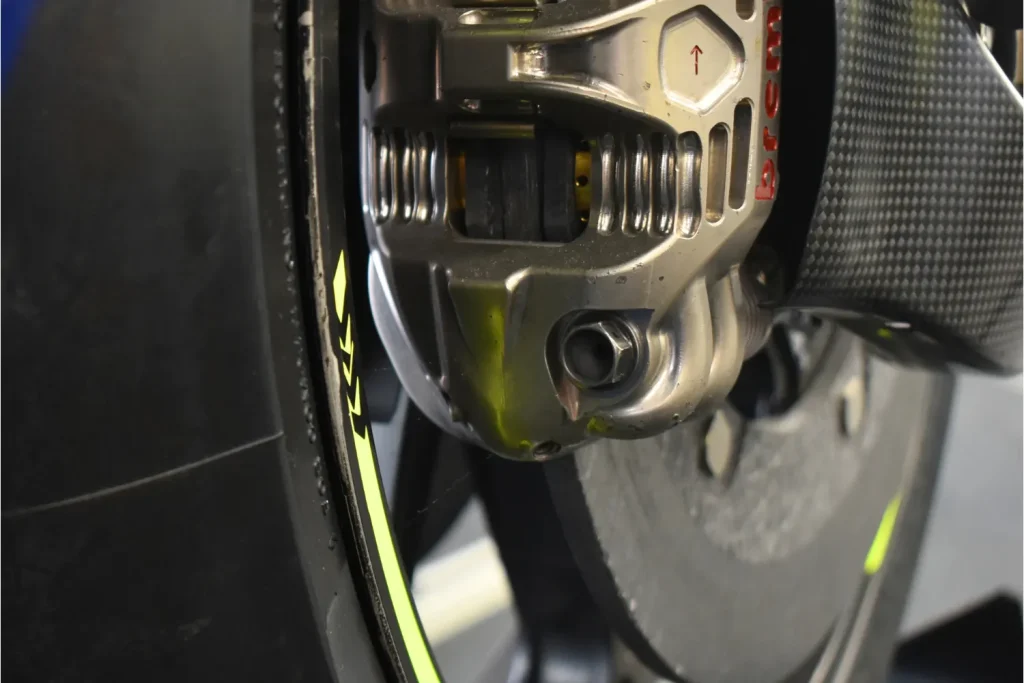
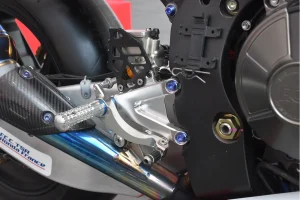
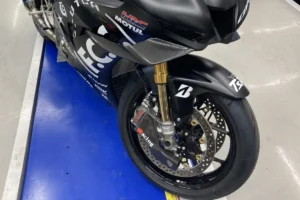
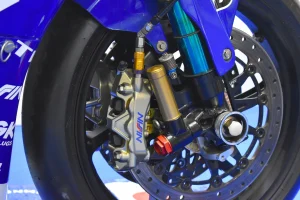
The Suzuki GSX-RR uses hollow-type caliper mount bolts.
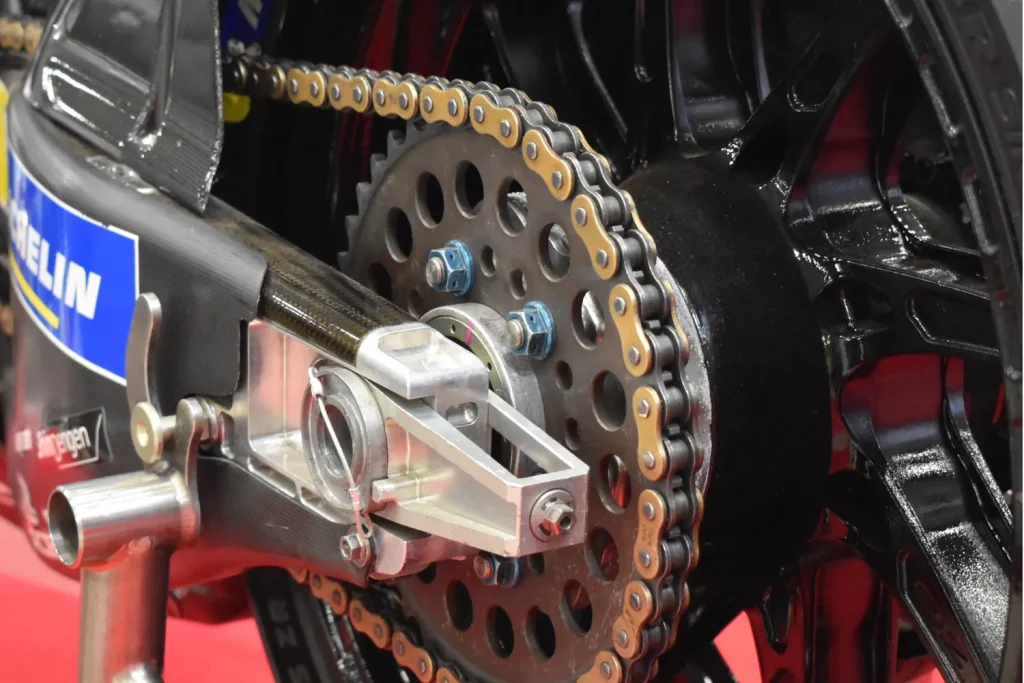
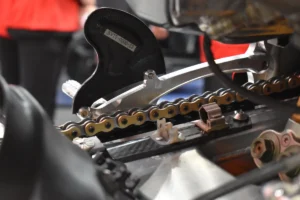
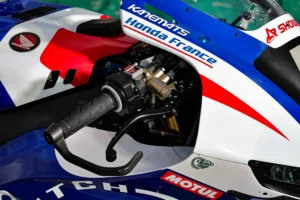
The Honda RC213V uses aluminum sprocket nuts.
*Do not imitate this, as it is dangerous.
Diet Methods vs. Titanium Bolts
You sometimes hear people say,
“Instead of buying expensive titanium bolts, it’s more effective for the rider to lose weight.”
But is that really true?
Let’s take a closer look.
“A famous diet program that was once popular in Japan”
“Our (Moto Rockman) titanium bolts”
Let’s compare the cost performance of these two.
【Diet program】
According to blogs written by people who joined that program,
the target weight loss for the 2-month course was −13 kg.
The total cost was reportedly ¥445,000.
That means losing 1 kg cost approximately ¥34,230.
【moto rockman tianiumbolt】
OEM bolt M10×60 → 42 g
Moto Rockman M10×60 → 23 g
That’s a weight reduction of 19 g.
Since this titanium bolt costs ¥2,050,
the cost comes to ¥107.8 per gram.
That means reducing 1 kg would cost ¥107,800
So, in terms of cost performance, the diet method wins by a huge margin.
Unfortunately, this turned out to be a disappointing result for us as a company that specializes in titanium products.