
The section below the bolt head (the part where you apply the tool) is called the “under-head.” Although it becomes invisible once tightened, there is actually a standard for “coolness” even in this part.
The less the thread “protrudes,” the better!
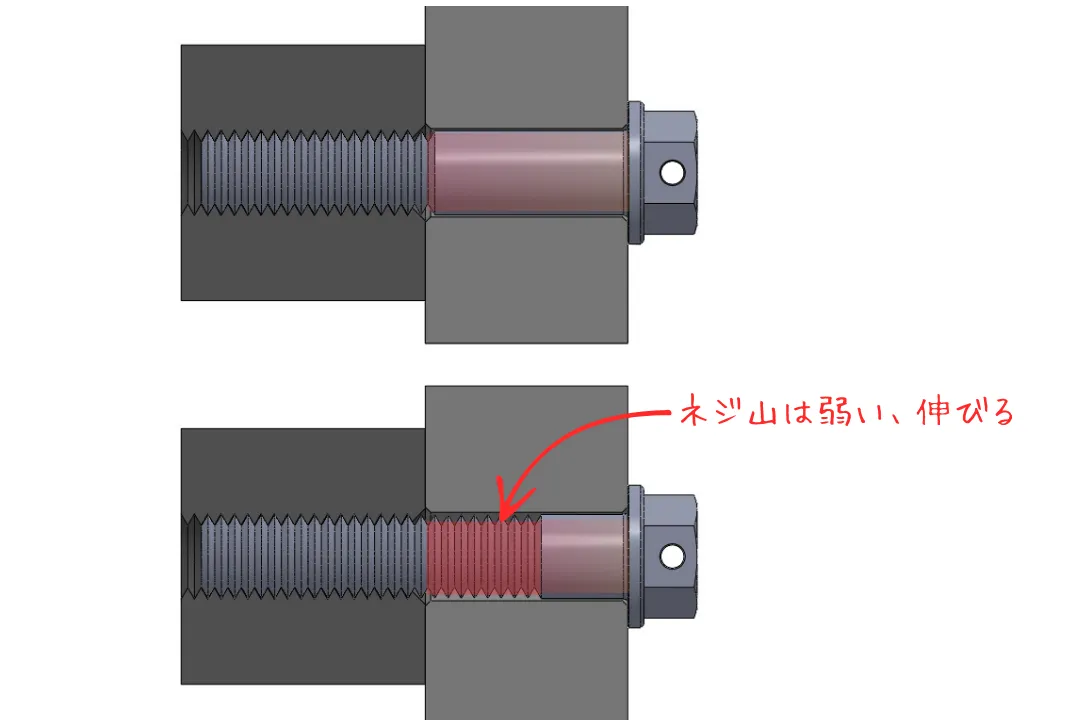
To sum it up, the less the thread protrudes from the entrance of the screw hole, the cooler it looks. Here is the visual image:
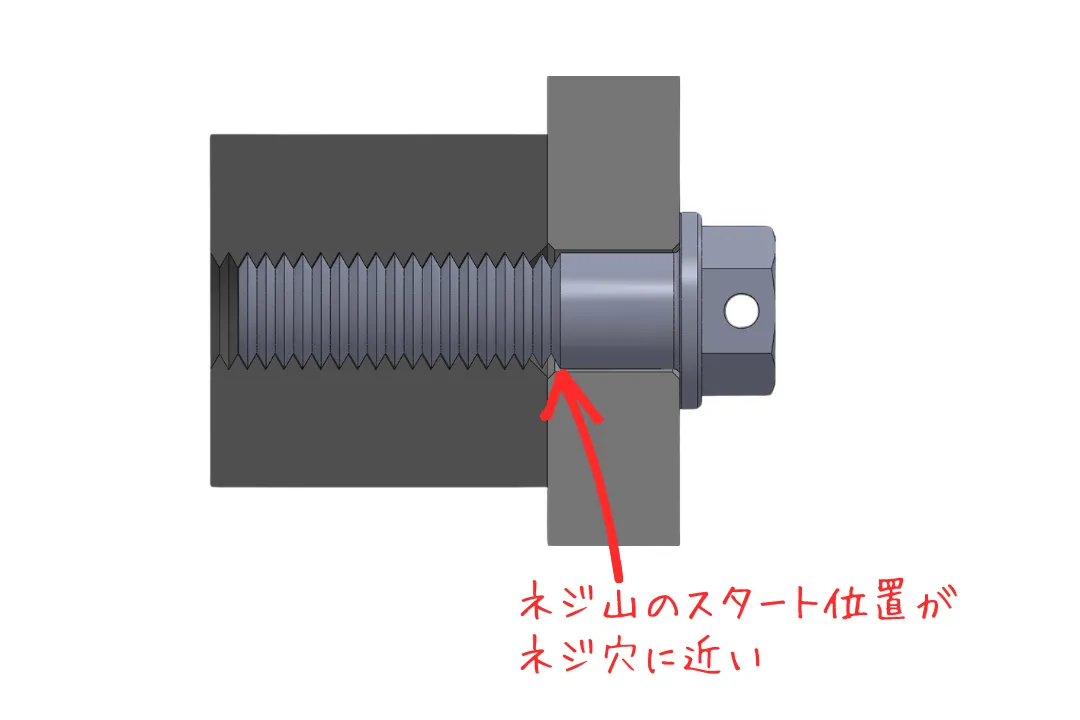
Why is this cool?
Because it represents a “strong state.”
When a bolt is tightened, elongation occurs in the portion where the threads are not engaged. Compared to the flat “unthreaded shank,” the grooved “threaded portion” is naturally more prone to elongation. Therefore, the less the thread protrudes (the less excess thread there is), the higher the rigidity.
Link bolts are a great example.
Since only the section where the nut engages is threaded, the unthreaded shank is made extremely long.
The law of thread engagement
However, aiming for a “perfect fit” with commercially available bolts is almost impossible.
Except for a few exceptions like link bolts, thread lengths are determined by JIS standards.
\ This is the standard for thread length. /
① 2d+6
② 2d+12
① is called the automotive standard because it is used for cars and motorcycles.
In contrast, ② is called the general standard and is used for building materials and civil engineering.
Since “d” represents the diameter, calculating M8 with the formula for ① gives: 2 × 8 + 6 = 22 mm.
Therefore, in the case of M8, the thread length is 22 mm whether the under-head length is 25 mm or 50 mm.
 motorockman
When the under-head length is 22 mm or less, it will have an unthreaded shank of about 2 threads right below the head. For an M8 × 20 bolt, the thread length will be approximately 17.5 to 18 mm.
For M6, the thread length is 18 mm, and for M10, it is 26 mm.
That’s why adjusting the thread length is impossible with commercially available products.
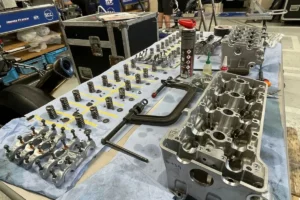
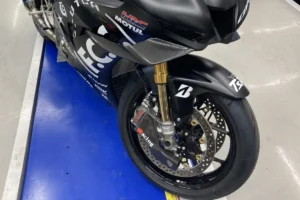
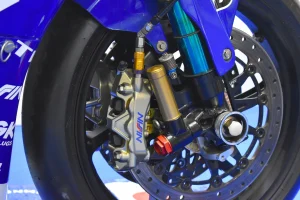
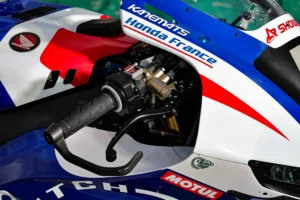
Factory machines are the exception.
Factory teams change the thread length depending on where the bolt is used, even if the overall length is the same. On top of that, they also change the thickness and diameter of the bolt head depending on the application. Truly impressive.
motorockmanIf it is not sold as an industrial standard product, there is no need to comply with JIS standards. It is perfectly fine to make the thread length whatever you like. In our company, we purposely apply standard ② to cap bolts.