
The Truth About Titanium, Part 7: “Titanium is hard! But in reality… its wear resistance is poor.”
Titanium is an excellent metal: it is lightweight, strong, and corrosion-resistant.
However, it has one major weakness —
poor resistance to friction (i.e., low wear resistance).
When used in bolts or sliding components, the following types of issues can also occur:
・Seizure (it stops turning)
・Galling (it becomes stuck)
・In the worst case, failure or breakage
Why is titanium poor in wear resistance?
It is due to the following factors:
・Because it is a metal prone to adhesive wear
・Because its passive oxide film is easily damaged
Now, I will explain the specific reasons and countermeasures.
What exactly is wear?
It is commonly thought of as “something wearing down due to friction.”
But that’s not entirely correct.
More precisely…
“An phenomenon in which material is gradually lost due to relative motion between contacting bodies.”
In other words, wear is caused not only by friction, but also by factors such as sliding and rolling contact.
Wear can be broadly classified into the following four types:
Adhesive wear → surfaces bond and then tear apart
Abrasive wear → surface is worn away by hard particles
Fatigue wear → surface damage caused by repeated loading
Corrosive wear → wear caused by chemical reactions
Among these, titanium is particularly weak against adhesive wear!
What is adhesive wear?
Metal surfaces have microscopic irregularities.
When pressure is applied to contacting metals, these tiny asperities bond with each other.
This is adhesion.
When sliding motion occurs while the surfaces are in this adhered state, the bonded asperities are torn away, causing material loss and surface wear.
This is adhesive wear.

In some cases, both surfaces wear, while in others only one side is affected.
In many cases, the softer surface or the one with a weaker microstructure tends to wear.
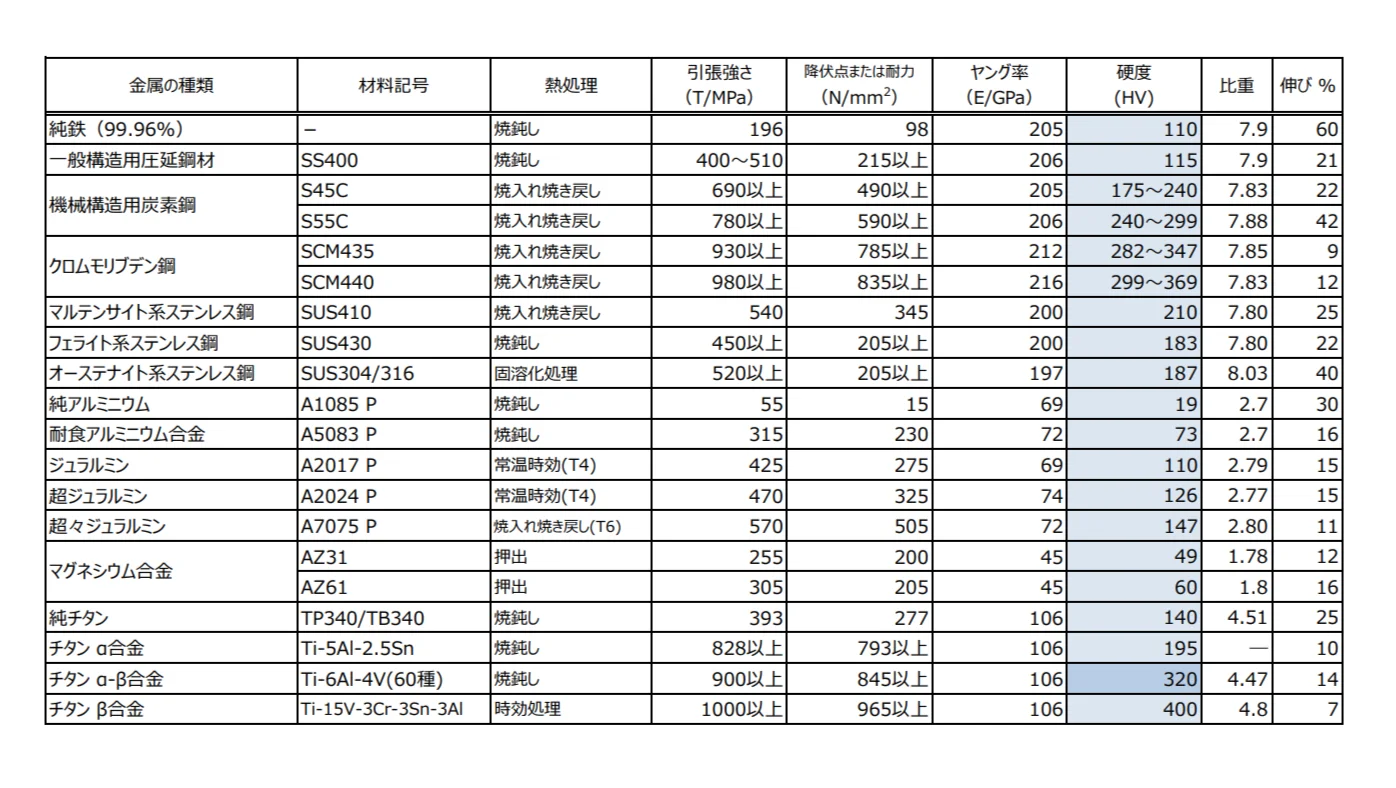
However, titanium (Ti-6Al-4V) is a relatively hard metal.
Numerically, it should be resistant to wear.
Nevertheless, adhesive wear still occurs because it has a strong tendency to form adhesion.
In the case of titanium, it often damages not only itself but also the mating material.
Why titanium is prone to adhesion — ①
The main reason is that titanium is a reactive metal.
Reactive metals are so sensitive that they can react and even dissolve when exposed to water or acids.
 motorockman
In fact, calcium, magnesium, and zinc—commonly found in supplements—are also classified as reactive metals.
It’s easy to understand why they readily dissolve in water or acids.
Titanium is normally protected by a passive film, which makes it resistant to water and acids.
However, once this passive layer is damaged, it becomes highly vulnerable, and adhesion can occur.
Why titanium is prone to adhesion — ②
So why does a passive film that is resistant even to acids break down?
The reason is titanium’s low thermal conductivity.
Because it is slow to heat up and slow to cool down, the areas in contact during friction can become locally overheated.
This leads to the breakdown of the passive film.
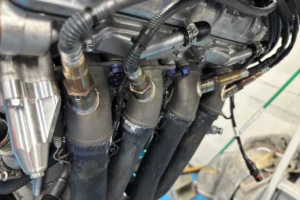
It should also be noted that, not only in titanium, galling in bolts is generally caused by this type of adhesive wear.
Countermeasure 1: Surface hardening (most effective)
To prevent adhesive wear, the first priority is to avoid surfaces from bonding in the first place.
An effective way to achieve this is surface hardening.
As a guideline, a hardness of 1000 HV or higher is used.
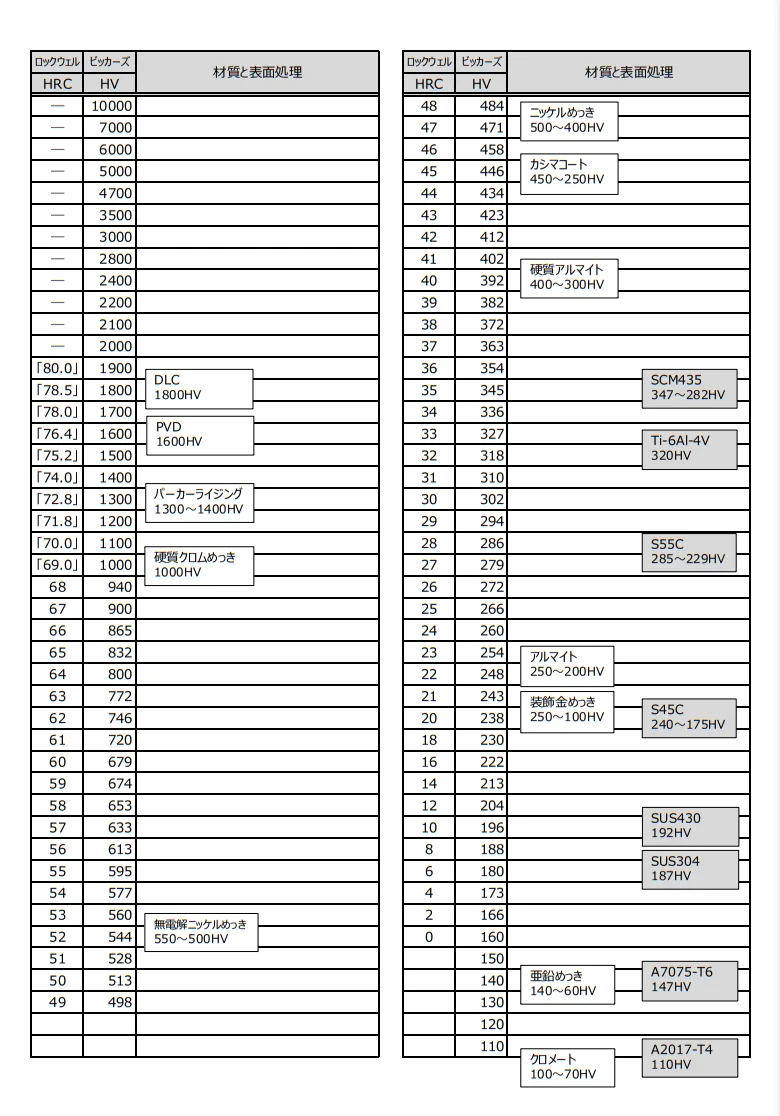
As expected, DLC (diamond-like carbon) and PVD (ion plating) are effective.
In particular, DLC has many properties that strongly suppress adhesion.
High hardness → extremely high hardness
Countermeasure 2: Lubrication (the basic on-site solution)
Anti-seize compound
Molybdenum disulfide grease
Using these can also help prevent adhesion.
However, caution is required! There is a drawback in that torque control can become inconsistent.
In fact, a torque wrench does not directly measure clamping force (axial tension).
It estimates the clamping force based on friction (resistance).
A torque wrench effectively “reflects” the following three components:
– Thread friction: ~45%
– Bearing surface (under-head) friction: ~45%
– Actual clamping force (axial tension): ~10%
Therefore…
Applying grease reduces friction, which can lead to over-tightening.
In addition, variations in the amount applied cause fluctuations in friction.
As a result, the way grease is applied also requires proper technique.
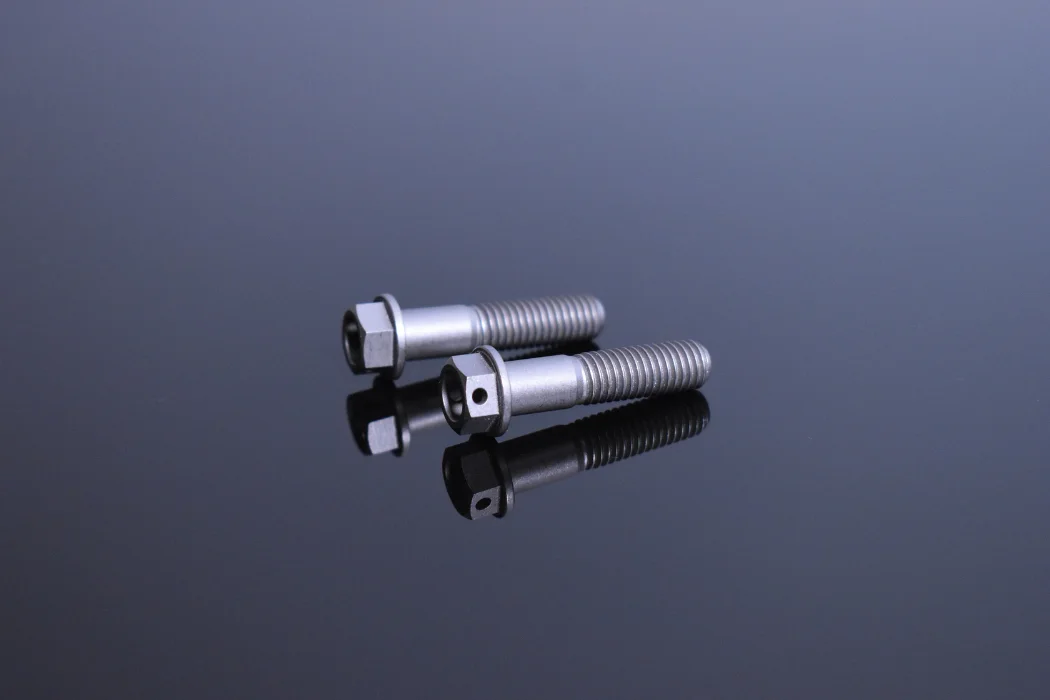
Another option is dry lubrication coatings.
Some top-level teams even apply dry lubrication coatings to titanium bolts.
The advantages of this include…
Coating keeps friction constant → stable torque control
Being a dry film, it does not attract or stick to rubber or contaminants
At Motolockman, we offer both DLC and dry lubrication coatings.
They are expensive, but high-quality bolts.
Dry lubrication coating